The Cuckoo Silkie
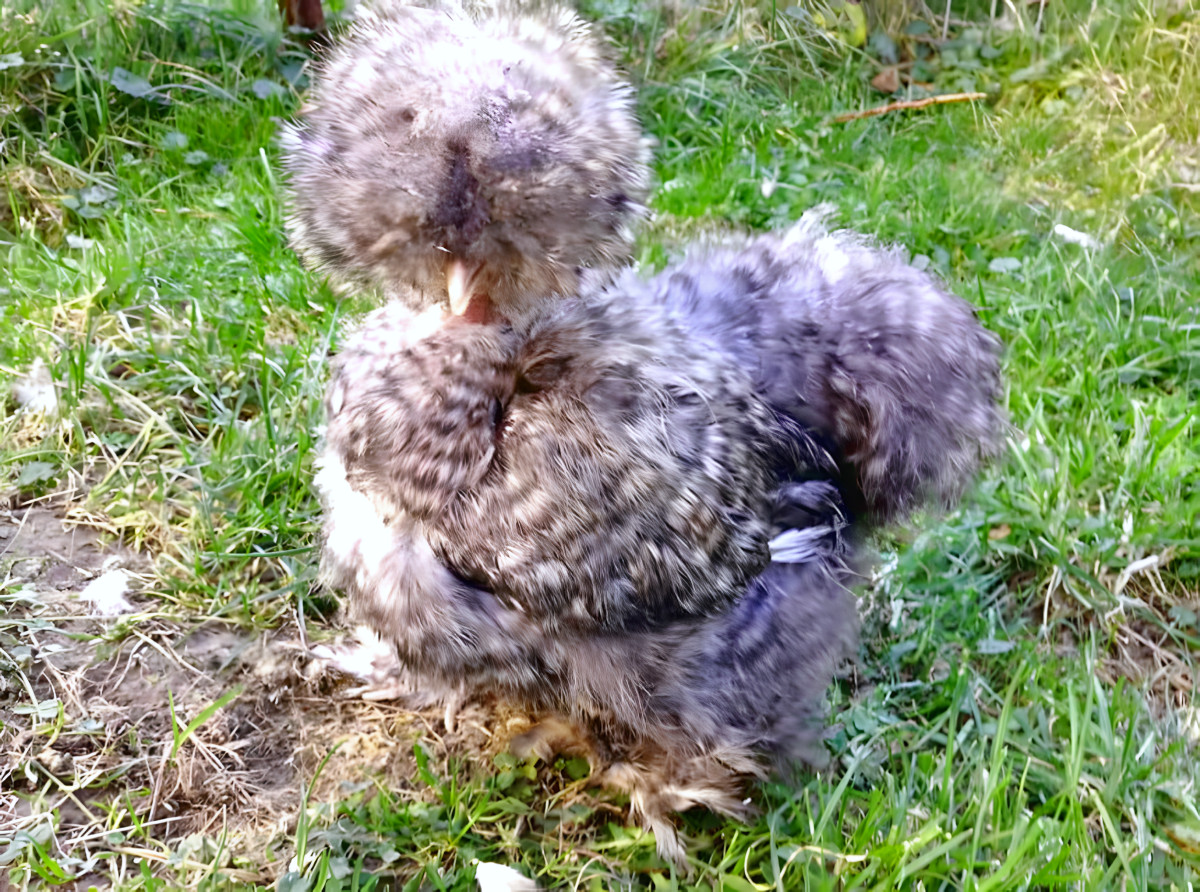
The cuckoo Silkie is one of the more unusual colours of an already unusual breed. Instead of the solid white, black or buff most people picture, its fluffy plumage is covered in soft, uneven bars of dark grey on a pale grey-white background.
Below: On a hard-feathered breed like a Maran or a Plymouth Rock, those bars look crisp and defined.
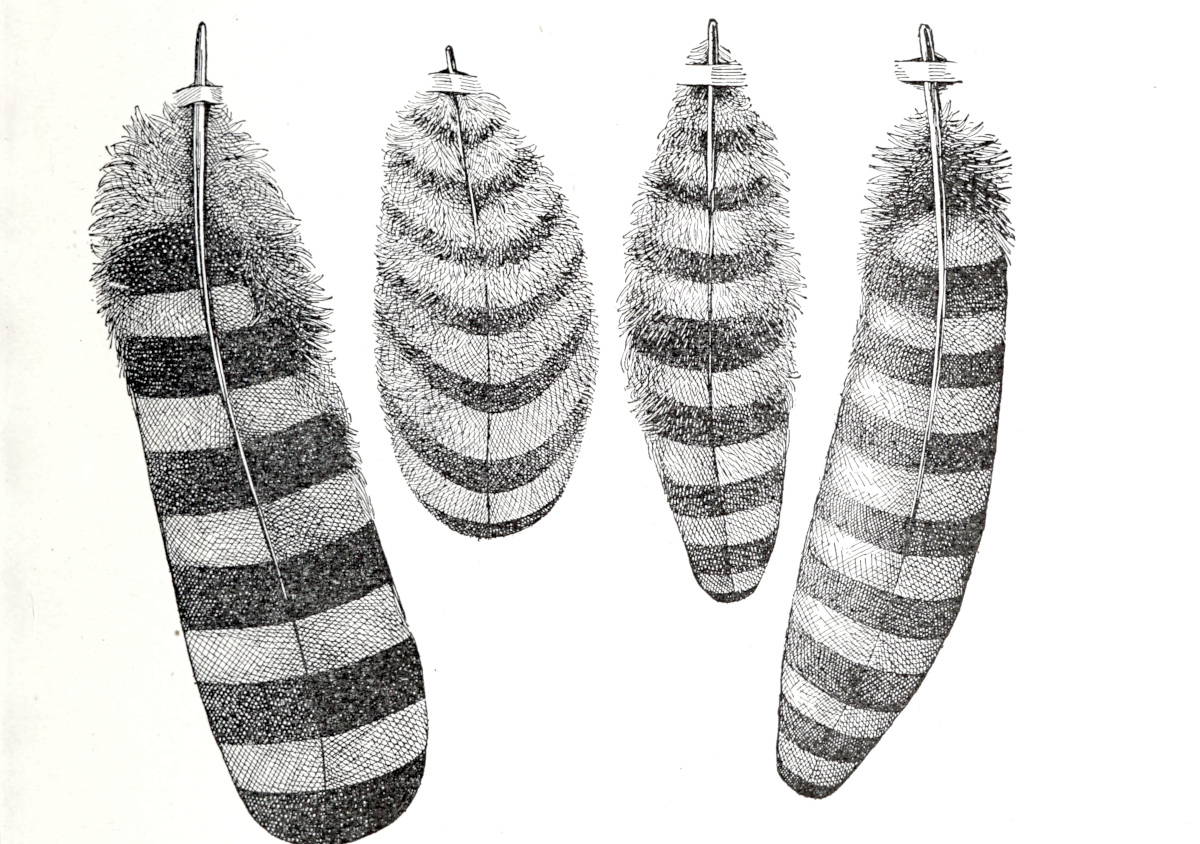
On a Silkie they blur into a gentle, smoky mottling, because Silkie feathers lack the tiny hooks or barbules that hold an ordinary feather together, so every strand of fluff carries its own bit of the pattern.
A Cuckoo Silkie is a chicken that has barred feathers. The barring on Silkies is not clear like it is on smooth feathers because of the soft, fluffy Plumage.
Apart from the colour, a cuckoo Silkie is every bit a Silkie. It has a large distinctive crest (Think Tina Turner), black skin and dark bones, five toes on each foot, feathered legs, a walnut-shaped mulberry comb and turquoise earlobes.
Quite a few of the Cuckoo Silkies I have seen have a red comb and wattles which seems to be a common fault with the type. I have seen Cuckoo Silkies with Frizzle gene and a showgirls and if you have really deep pockets there are a few breeders of the bearded types.
Cuckoo Silkies are rare and expensive and quality birds are rarer still. Expect to pay $5 for a hatching egg, $15 for unsexed chicks, $30+ for growers and $50+ for adult birds.
Its temperament is famously calm, so it's a lovely first breed for families and small gardens. Hens lay a modest number of small cream eggs and go broody at the drop of a hat, which makes them some of the best natural mothers you'll find, happy to hatch eggs from other breeds too. I have found one of my hens brooding golf balls in a plant pot
Like all Silkies, they can't fly, they don't cope well with heavy rain, and their crests can block their vision, so a dry run and the odd trim around the eyes keep them happy.
The genetics of Cuckoo (barring):
Barring is incompletely dominant but will almost always show. One copy produces white bars in the bird's feathers and two copies produces wider white stripes.
The pattern comes from the barring gene, which sits on a sex chromosome. Cockerels can carry two copies and hens only one, so cockerels usually come out noticeably paler, with finer and lighter barring, while hens tend to look darker overall.
The darker birds and the males have better markings. To this end some breeders occasionally back-cross with a black hen.
Chicks often hatch dark with a pale spot on the head, and that can give a rough early clue to sex. With Silkies it's far from reliable, though, so most keepers wait until the birds start crowing or laying before they're sure.
Barring is sex-linked and can be used to produce auto-sexing chicks. A barred or Cuckoo hen can only pass her Cuckoo gene to her male chicks, but a barred rooster can pass it to both male and female chicks.
A Cuckoo rooster is of much greater importance in breeding. It is only from a cuckoo rooster bred with a cuckoo hen that you will hatch all cuckoo chicks.
Chicks are born without any barring and look like blues.