Can chickens eat pears? Safety, seeds, and sweet health benefits.
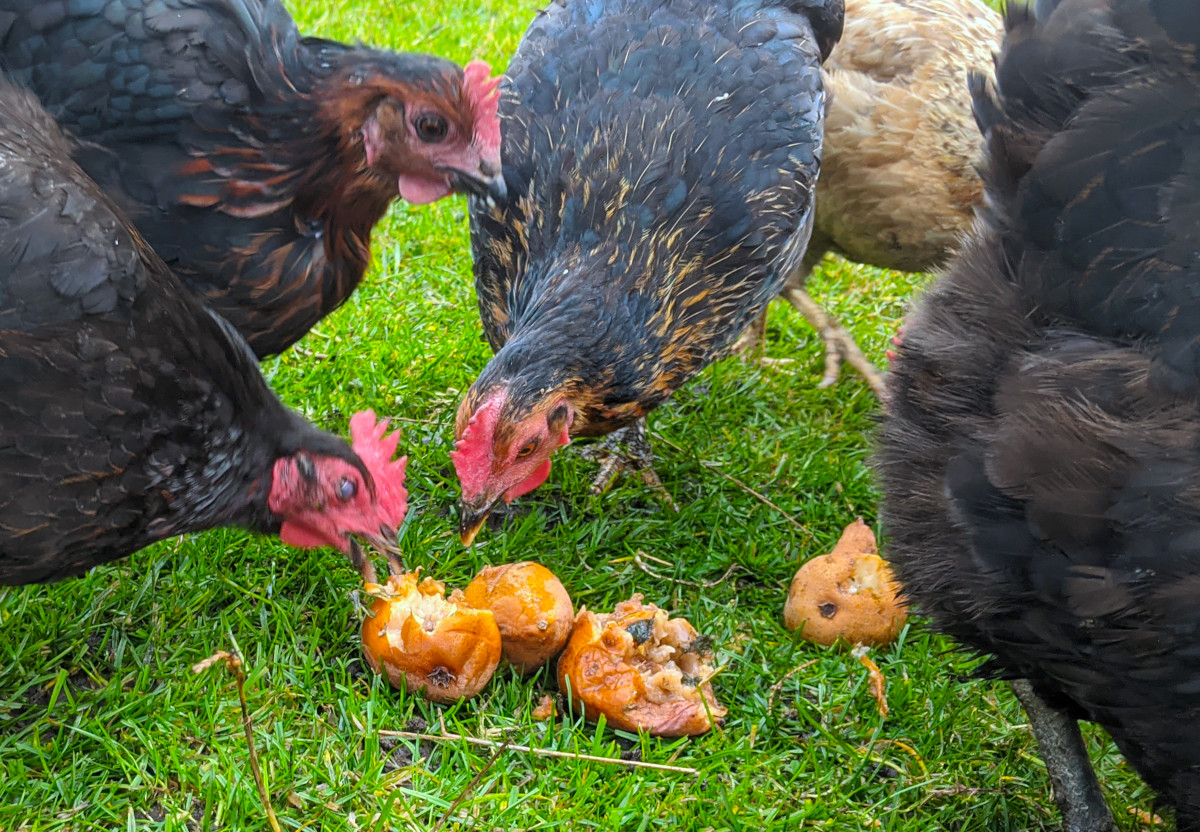
Chickens can safely eat pears. Ripe pear flesh is juicy, hydrating, and packed with vitamins that make a wonderful occasional treat.
Asian pears: Asian pears are fine for chickens, again feed in moderation.
Your flock can have a few pears a week without suffering any sort of problems at all. Pears can be given to chickens whole or chopped as well as cooked or raw. Chickens will eat the skins as well so there is no need to peel.
Treats should never make up more than 10% of your chicken's daily diet so offering half a pear per chicken up to twice a week, is more than enough.
Are all parts of the pear safe for chickens?
- The Flesh: Perfectly safe, hydrating, and full of natural nutrients.
- The Skin: Totally safe to eat. Pear skins are packed with beneficial dietary fiber and antioxidants (like quercetin). Just give the fruit a quick wash first, especially if it came from a sprayed orchard or grocery store.
- The Core & Seeds: While chickens naturally peck around tough cores, pear seeds (like apple seeds) contain amygdalin, which releases trace amounts of cyanide when crushed or digested. While a stray seed or two won't hurt an adult bird, it is best practice to core the fruit and discard the seeds just to be completely safe.
- Cooked pears: Provided the pears have not been poached in wine or cooked with added sugar it makes no difference to the hens whether it is cooked or not.
As ripe pears contain quite a bit of sugar and fibre they should be given sparingly. If there is treats lying around after the hens have finished eating then you are giving too much.
Never feed pears from a tree that has been sprayed with fungicide, pesticide or treated with a systemic weedkiller.
Below: A video of my egg flock tucking into some windfall pears from the orchard.
My egg flock spends a lot of time in the orchard all year feeding on fruit and insects. Planting a pear tree in the run is one way to help feed for flock for nothing.
It’s best to avoid feeding unripe, rock-hard, green pears. They are overly acidic, difficult for chickens to digest, and lack the pleasant sweetness your hens will enjoy. Let them ripen on the counter or in a paper bag first.
Soft, bruised fruit is a massive hit with chickens, provided it is not mouldy or fermented. If a fallen orchard pear smells like alcohol (cider) or shows visible white or green mould, throw it out immediately. Mouldy and fermented foods can cause severe mycotoxicosis or digestive distress.
Are pear seeds poisonous to chickens?
Pear seeds contain trace amounts of cyanide. You would need to save up a couple of bushels worth of seeds, grind them up to a powder, and eat them all at the same time.
Below: My hens have had a lot of pears over the years and the seeds have never bothered them.

The body can deal with trace amounts of cyanide and the same is true for chickens. There is some evidence to suggest that it is beneficial as a bio-fumigant, helping to keep internal parasites at bay.
Are there any health benefits to feeding pears to chickens?
Not as much as you might think. Pears contain vitamin C and a small amount of vitamins A and K as well as some trace minerals like Potassium and Copper. They are less than 1% protein which is not good for the long term health of your flock if you overdo it.
- Vitamin C & A: Support immune function, tissue health, and overall vitality.
- Potassium & Copper: Help maintain cardiovascular health and proper metabolic function.
- High Water Content: Excellent for keeping hens hydrated during hot summer days.
- Entertainment: Hanging a few pears for pecking practice can help bust boredom.
Can chickens eat cooked, canned, or processed pears?
Cooked Pears: Plain, boiled, or baked pears (with no added sugar, butter, or spices) are fine, though raw fruit is usually preferred.
Canned Pears: Avoid canned pears packed in heavy syrup due to the excessive sugar content. If you only have canned pears in water or natural juice, rinse them thoroughly and feed sparingly.
Pear preserve or jam: Chickens should never have preserves, pickles or chutneys, they contain way too much sugar.
How to serve pears to the flock?
To prevent squabbles and make it easy for your birds to eat:
- Chop Them Up: Slice the pears into bite-sized chunks (grape-sized or smaller) so dominant hens don't run off with a massive wedge.
- The Hanging Treat: Alternatively, you can cut a ripe pear in half (remove the core) and hang it from a string in the run as a fun boredom-buster on a rainy day.
- Scatter Feeding: Scatter the pieces across the run to encourage natural foraging behaviour.
- Clear Out Leftovers: Always pick up uneaten fruit within a few hours. Rotting food left on the ground attracts flies, mice, and rats.
Below: You can always do like I do and play chicken bowls to keep them and you entertained.
Chicks and baby chickens with pears:
I have seen more than one of my mother hens with her chicks in the orchard feeding on windfall fruit with her chicks. If you are raising chicks artificially do not introduce treats before three weeks of age.
A full A to Z list of all foods chickens can and shouldn't be allowed to eat.